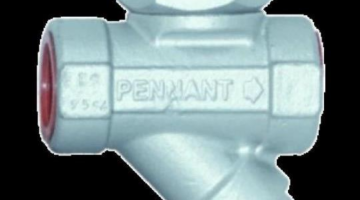
Thermodynamic Steam Trap
In the intricate world of industrial systems and processes, efficiency is king. Among the many components that ensure smooth and effective operations, the humble steam trap plays a pivotal role. But not just any steam trap — the thermodynamic steam trap stands out for its simplicity, durability, and efficiency. This article delves deep into the thermodynamic steam trap, unraveling its secrets and showcasing its importance in various industrial applications.
The Essence of Steam Traps
What is a Steam Trap?
At its core, a steam trap is a device used to discharge condensate, air, and other non-condensable gases from a steam system while retaining steam. This function is crucial for maintaining system efficiency and ensuring optimal performance. Steam traps come in various types, each designed to handle different conditions and requirements.
The Need for Steam Traps
Steam systems are ubiquitous in industries such as chemical processing, food and beverage production, pharmaceuticals, and power generation. In these systems, steam serves as a vital energy carrier. However, as steam loses its heat and condenses, it forms water droplets, or condensate, which must be removed to maintain efficiency and prevent damage. Steam traps facilitate this process by automatically removing condensate without letting steam escape.
Thermodynamic Steam Traps: A Closer Look
What is a Thermodynamic Steam Trap?
A thermodynamic steam trap operates on the principles of thermodynamics — specifically, the difference in density and energy between steam and condensate. Unlike other steam traps that rely on mechanical movement or buoyancy, thermodynamic traps use the velocity and pressure of steam to control the discharge of condensate.
How Does It Work?
The thermodynamic steam trap consists of a simple but ingenious design: a chamber, a disc, and a seat. When condensate enters the trap, it flows under the disc and is discharged through the outlet. As steam reaches the trap, it moves at a higher velocity, creating a pressure drop that lifts the disc and traps the steam. The disc then closes, holding back the steam until the pressure drops again, allowing more condensate to be expelled.
Key Components
Disc: The heart of the thermodynamic steam trap, the disc moves up and down based on the pressure differential created by steam and condensate.
Seat: The surface against which the disc seals to prevent steam from escaping.
Chamber: The body of the trap where steam and condensate interact.
Applications of Thermodynamic Steam Traps
Industrial Boilers
In industrial boilers, thermodynamic steam traps are used to remove condensate from steam lines, ensuring that steam remains dry and superheated. This is crucial for maintaining the efficiency of heat transfer processes and preventing water hammer — a potentially damaging condition caused by condensate slugs in steam lines.
Heat Exchangers
Thermodynamic steam traps are also essential in heat exchangers, where they remove condensate to maximize heat transfer efficiency. By ensuring that only steam — not water — reaches the heat exchange surface, these traps help maintain consistent temperatures and improve overall system performance.
Process Equipment
In various process equipment, from sterilizers to reactors, thermodynamic steam traps play a vital role in maintaining optimal conditions. By efficiently removing condensate, they prevent temperature fluctuations and ensure that processes run smoothly and effectively.
Advantages of Thermodynamic Steam Traps
Simplicity and Durability
One of the standout features of thermodynamic steam traps is their simplicity. With no moving parts other than the disc, these traps are incredibly robust and less prone to wear and tear. This simplicity translates to a longer lifespan and reduced maintenance costs.
Efficiency
Thermodynamic steam traps are highly efficient, capable of handling varying pressures and loads without compromising performance. Their quick response to changes in steam and condensate conditions ensures that steam systems operate at peak efficiency, minimizing energy losses.
Versatility
These traps are versatile, suitable for a wide range of applications and operating conditions. They can handle high pressures and temperatures, making them ideal for demanding industrial environments.
Challenges and Solutions
Water Hammer
While thermodynamic steam traps are designed to prevent water hammer, improper installation or maintenance can lead to this issue. Ensuring proper placement and regular inspection can mitigate the risk of water hammer and maintain system integrity.
Blockage and Wear
Over time, thermodynamic steam traps can become blocked by debris or suffer from wear due to high temperatures and pressures. Regular maintenance and cleaning can help prevent blockages and extend the lifespan of the trap.
Incorrect Sizing
Choosing the right size of thermodynamic steam trap is crucial for optimal performance. An undersized trap may not handle the condensate load, while an oversized trap may lead to steam loss. Consulting with experts and adhering to manufacturer guidelines can ensure proper sizing.
Installation and Maintenance Tips
Proper Installation
Correct installation is key to the performance of thermodynamic steam traps. Here are some tips:
Positioning: Install the trap close to the equipment it serves, with a slight incline to aid condensate flow.
Orientation: Ensure the trap is installed in the correct orientation, as specified by the manufacturer.
Isolation Valves: Include isolation valves for easy maintenance and inspection.
Regular Maintenance
Regular maintenance is essential for the longevity and efficiency of thermodynamic steam traps. Maintenance tips include:
Inspection: Regularly inspect traps for signs of wear, leakage, or blockage.
Cleaning: Clean the trap and its components to remove debris and prevent blockages.
Testing: Conduct periodic testing to ensure the trap is functioning correctly and efficiently.
Innovations in Thermodynamic Steam Traps
Advanced Materials
Recent advancements in materials science have led to the development of thermodynamic steam traps with improved durability and performance. High-grade alloys and advanced coatings enhance resistance to wear and corrosion, extending the lifespan of these traps even in harsh conditions.
Smart Monitoring
The integration of smart monitoring technologies has revolutionized the maintenance and operation of steam traps. Sensors and IoT (Internet of Things) devices enable real-time monitoring of trap performance, allowing for predictive maintenance and early detection of issues. This proactive approach minimizes downtime and ensures continuous system efficiency.
Case Studies
Chemical Plant Efficiency Boost
A chemical plant experiencing frequent steam losses and inefficiencies switched to thermodynamic steam traps. The result was a significant reduction in energy consumption and maintenance costs, thanks to the traps’ robust design and efficient performance. The plant reported a 20% increase in overall efficiency, highlighting the impact of upgrading to thermodynamic steam traps.
Pharmaceutical Sterilization
In a pharmaceutical facility, maintaining precise temperatures during sterilization processes is critical. The installation of thermodynamic steam traps ensured consistent removal of condensate, leading to more reliable sterilization cycles and improved product quality. The facility also benefited from reduced maintenance requirements and longer trap lifespans.
Future Trends
Enhanced Efficiency
Ongoing research and development in steam trap technology aim to further enhance the efficiency of thermodynamic steam traps. Innovations such as improved disc designs and advanced sealing technologies promise to deliver even better performance and energy savings.
Sustainability Focus
As industries strive for greater sustainability, the role of thermodynamic steam traps in reducing energy consumption and minimizing waste becomes increasingly important. Future developments may include eco-friendly materials and designs that align with sustainability goals.
The thermodynamic steam trap, with its simple yet effective design, plays a crucial role in maintaining the efficiency and reliability of steam systems across various industries. Its durability, versatility, and efficiency make it a preferred choice for many applications, from industrial boilers to pharmaceutical sterilization. By understanding the principles, benefits, and challenges of thermodynamic steam traps, industries can harness their full potential and achieve greater operational excellence.